
Using AI to Become a Better Banker

Many bankers use gen AI as a search engine. Others use it to help them write or come up with ideas. Still others are more sophisticated and have started to incorporate multiple AI models into the enterprise to leverage AI across the bank. All this helps, but one execution that we found the most helpful is to help us truly learn new skills.
Getting Better At Client Negotiations
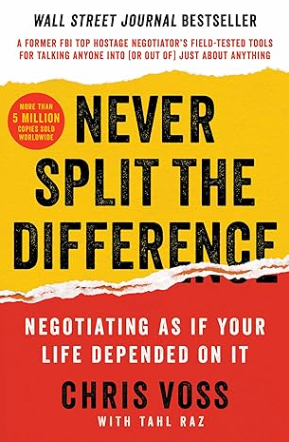 When it first came out, we read Never Split the Difference by Chris Voss. This best seller (still ranked #1 at Amazon) is still one of the most helpful books in banking no matter what your job is. Everyone is always negotiating for something. We visit the lessons in this book often from mirroring to calibrating our questions. The problem is, we are still not great at all the lessons.
We understand the lessons, but don’t get to practice enough. Gen AI has solved this problem of learning something from a book, or at a conference and putting it into action.
Now, anytime we learn a framework, mental model, methodology or lesson, we use AI to gain not only repetition in executing on that skill, but also us gen AI to expand our application of that skill to other areas.
We are doing this for deposit pricing, loan structuring, liquidity management, board presentation, new product approval, and regulatory meetings. We took a comprehensive sales course from our friend Jack Hubbard almost ten years ago. Those lessons remain invaluable but many we would forget. This is a solution to stay current.
AI as Teacher and Challenger
If you are an athlete, special forces operator, or just want to get good at your profession, you likely spend time rehearsing and training for game day situations.
You can practice your sales presentation where mistakes are free. The performance is what matters, but training is what makes successful performance in banking.
You can practice discussing loan pricing ten times before a real meeting and hear a variety of challenges about rates, credit, and the competition. You can move through an entire coaching process that would once have cost thousands of dollars. Now you can do this any time, anywhere. It’s a gift that every banker should take advantage of.
Practical Banking Example: Loan pricing & structure negotiation
You’re a banker negotiating a credit facility with a commercial borrower who is pushing for tighter spreads and looser covenants.
To use a generative AI model like Copilot, Claud, or others, you would:
- Describe the situation, the counterparty, and their motivations.
- You ask the AI to play the role of the borrower.
- You rehearse the conversation multiple times, practicing phrasing and calibrated questions. You can do this with typing or with voice discussions.
Example prompt:
“You are the CFO of a middle‑market manufacturing company. You want a 25 bp reduction in pricing and a springing covenant instead of a hard leverage test. Your priorities are flexibility and optics with your board in addition to economic savings. In addition, you want help deciding between a five-, seven-or ten-year fixed rate loan. Ask questions and push back firmly but realistically. I will negotiate on behalf of the bank.”
What you practice:
- Naming emotions (“It sounds like flexibility matters more than headline pricing”)
- Calibrated questions (“How would the board/owner react if inflation continued to accelerate and you have a balloon reset?”)
- Holding firm on risk while preserving the relationship
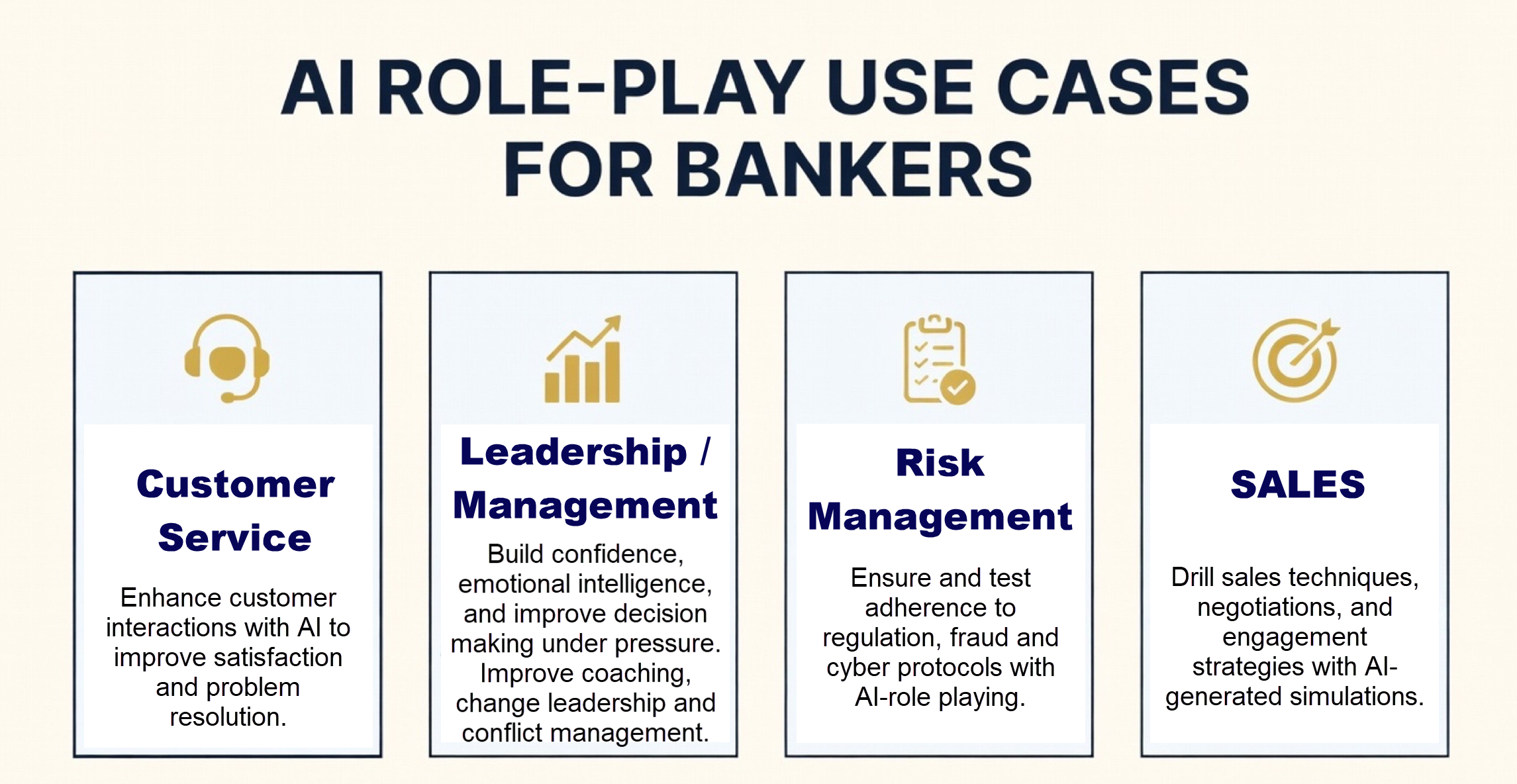
Here are some other of our favorite books for bankers that we have used AI to hone our skills:
Critical thinking: Julia Galef’s The Scout Mindset has helped many bankers rethink how they think 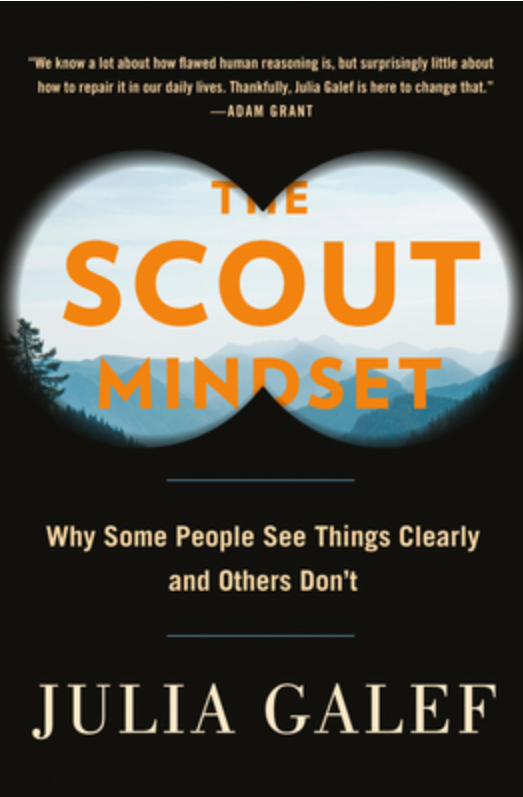 about thinking. It’s a fantastic book for new or seasoned bankers that want to make better decisions. It is common to use a defensive or “soldier’s mindset” when trying to get things done at the bank. This is a defensive position where we defend our thought process and beliefs. Instead, this book teaches us to use a “scout mindset” with the aim of seeking the clear reality of the situation and understanding. The idea is powerful, but worthless if you don’t practice it. It is also almost impossible to practice alone as you miss your blind spots. We have a set of prompts based on the teachings of the book that help us think through important bank decisions on strategy and tactics.
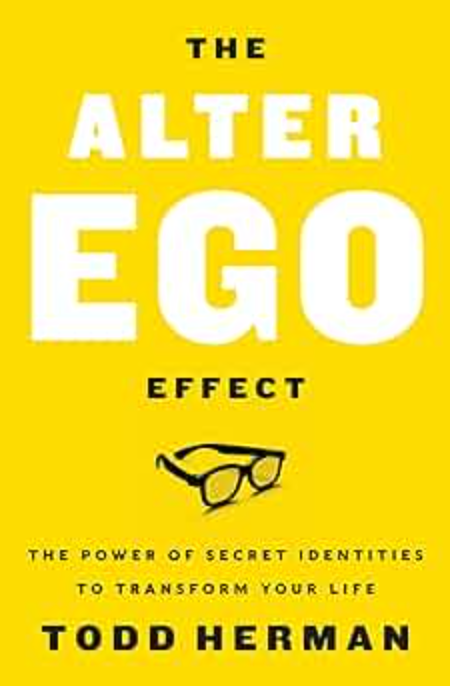
Identity design: Todd Herman’s The Alter Ego Effect is another seminal book with a unique presence that resonates with some bankers. The book explains how to create an alternate persona for high-pressure situations, like Kobe Bryant’s Black Mamba or Beyoncé’s Sasha Fierce. To pull this off, developing an alter ego takes therapist-level introspection, something that gen AI is designed to do. Gen AI helps you spot patterns that you might have missed.
Front Toward Enemy: Robert O’Neill and Dakota Meyer’s 2022 best seller, The Way Forward is another one of our favorites uniquely suited for AI practice. Their elite forces combat-harden lessons of actionable discipline, stress management, and situation awareness resonate when facing some of our challenges in banking today.
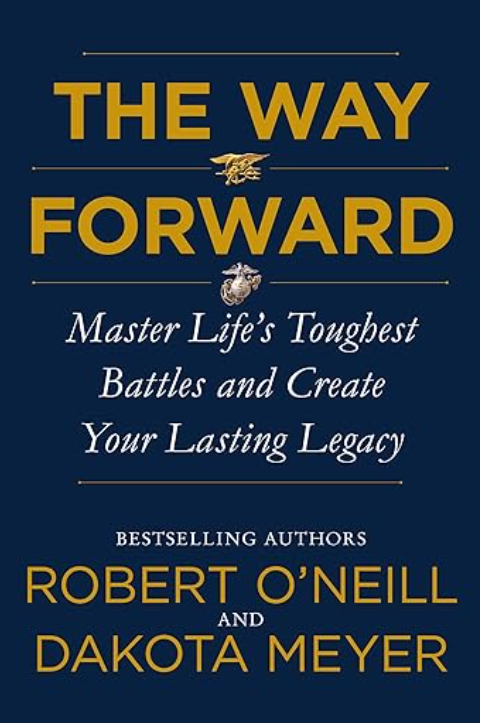
No matter if it’s your favorite non-fiction book or a single lesson you picked up on a podcast or conference, the pattern is the same.
- Learn a framework or methodology.
- Get gen AI to help you practice.
- Be multiple times more effective quicker in the real world.
For all the talk about human being replaced by AI, using AI to rehearse your lessons ensures that you can take the best of what is human, and make it your own. With each lesson you become more powerful and more valuable.
The reps you get with AI build a foundation. They help you internalize lessons until they become instinct instead of instruction. AI sets you up for success as the real growth happens with real people, real stakes, and real consequences – something AI is unlikely to understand any time soon.
Putting This Into Action
Outside of self-improvement, banks can leverage AI for scenario role play and achieve 80%+ completion rates compared to the 20% completion rates often associated with non-mandatory e-learning classes. We have found that time-to-competency can increase by some 60% compared to reading and then waiting for the right scenario to practice a new skill.
Prior to the advent of AI, many lessons in banking were recognized but rarely implemented. It is now possible to eliminate that barrier. You can now practice skills many times during your down moments commuting, traveling, or after hours. You can uncover weaknesses and biases before they can impact you. You can practice, try the lessons in the daily life and report back to AI to further refine your skills until you master them in the fraction of the time.